Electrical issues are one of the most common reasons a home inspection raises concern, especially during a sale. One electrical component that consistently stands out is the Federal Pacific electrical panel.
Homeowners are often surprised when this panel is flagged, particularly if the home has never had a known electrical problem. Inspectors flag Federal Pacific panels because they have a documented history of breaker failure that can increase fire risk and complicate insurance approval.
If you are buying, selling, or owning a home in East Tennessee, understanding why this panel is flagged helps you avoid delays, insurance setbacks, and expensive last-minute decisions.
What Is a Federal Pacific Electrical Panel?
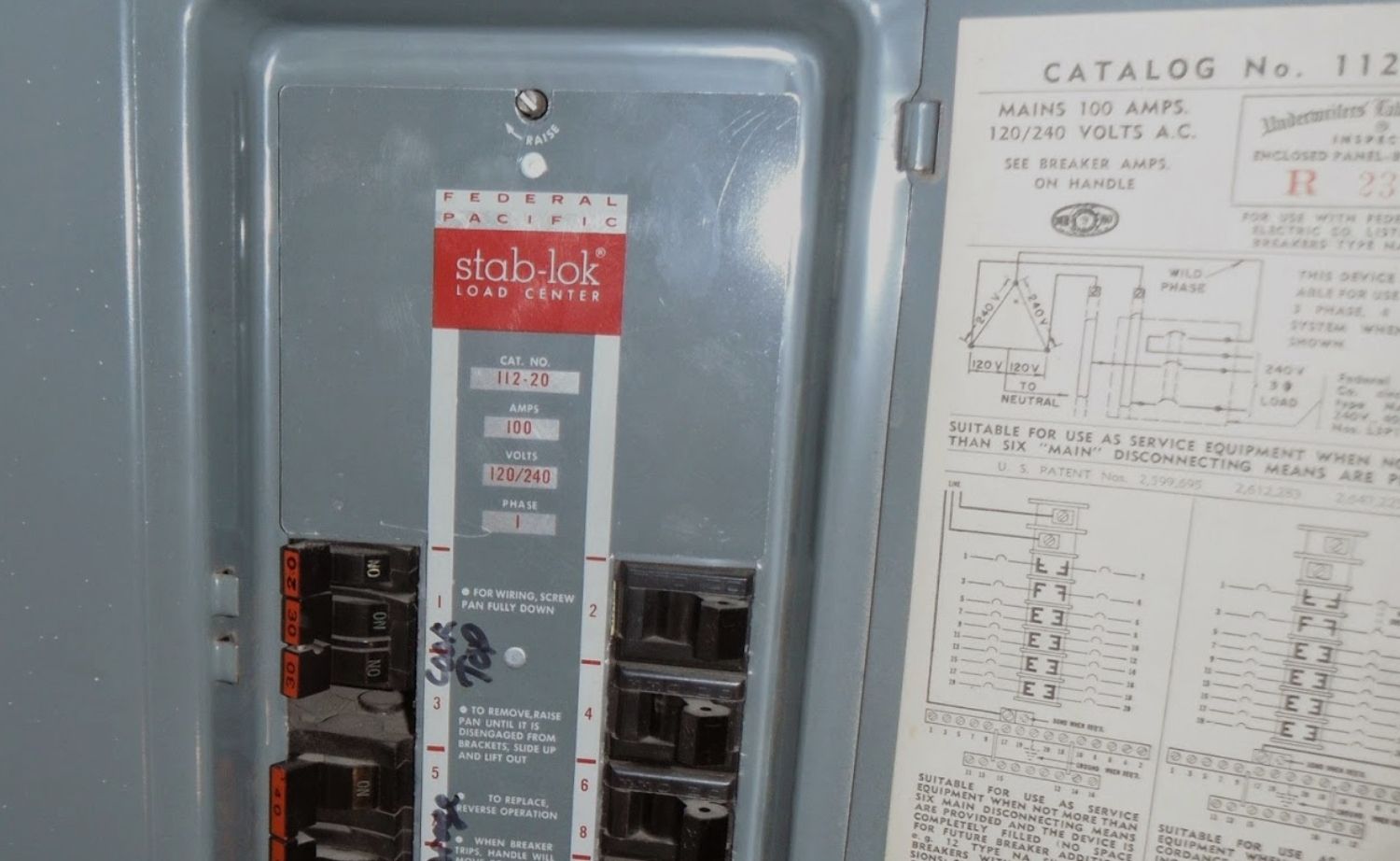
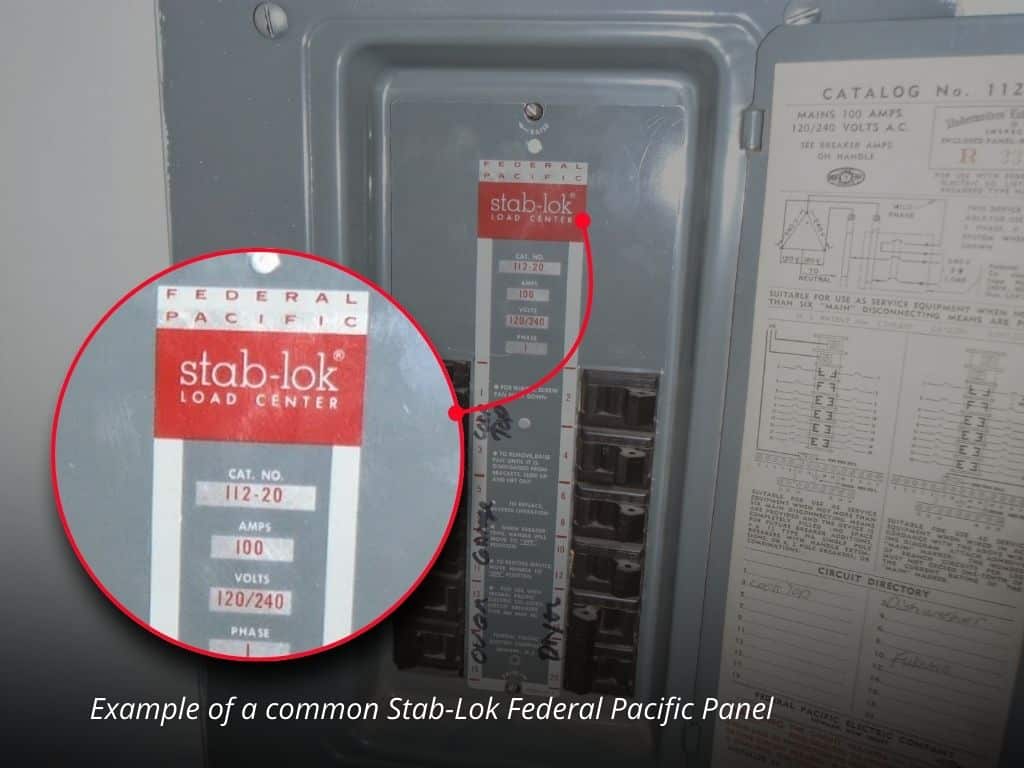
A Federal Pacific electrical panel is a breaker panel manufactured by Federal Pacific Electric. These panels were commonly installed in residential homes from the 1950s through the early 1980s.
The most widely known version is the Federal Pacific Stab-Lok panel. At the time of installation, these panels met building standards and were approved for use. They were installed in thousands of homes during periods of rapid residential growth.
Over time, testing and field data revealed serious concerns with how these panels perform under electrical stress. While the manufacturer no longer exists, many of these panels are still active in homes throughout East Tennessee, especially in older neighborhoods and properties that have never had a full electrical upgrade.
Because of how common they were, inspectors continue to encounter them during routine home inspections.
How Circuit Breakers Are Meant to Protect a Home
Circuit breakers play a critical role in electrical safety. Their main purpose is to shut off power when unsafe conditions occur.
Breakers are designed to trip when:
- Electrical demand exceeds safe limits
- A short circuit happens
- Wiring begins to overheat
When breakers work properly, they prevent damage to wiring and reduce the risk of fire. Modern breakers are tested to ensure they trip consistently and reliably.
The concern with Federal Pacific panels is that many of their breakers do not respond the way they should when these conditions occur.
 Why Federal Pacific Panels Are Considered a Safety Concern
 Why Federal Pacific Panels Are Considered a Safety Concern
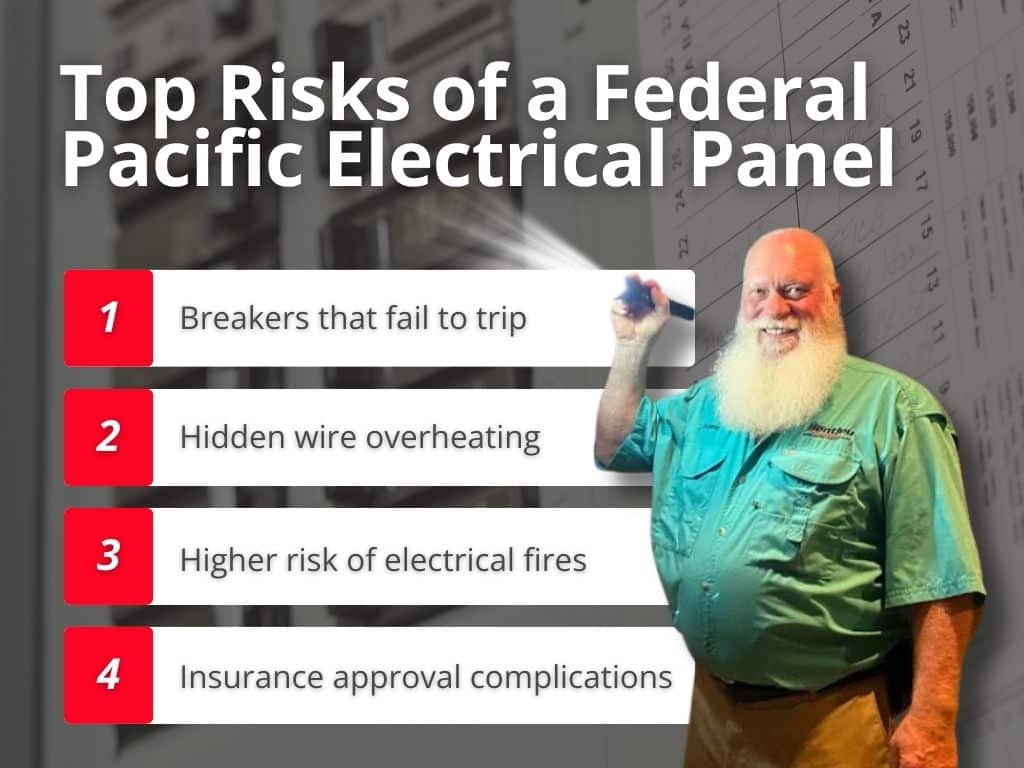
Federal Pacific panels are flagged because testing and real-world experience show that some breakers fail to trip when overloaded.
In some cases, breakers may appear to be switched off but still allow electricity to flow through the circuit. This creates a false sense of safety and increases risk during repairs or emergencies.
Potential risks include:
- Overheating wires hidden behind walls
- Electrical fires that start without warning
- Increased danger for electricians and homeowners
- Damage that goes unnoticed until it becomes severe
The panel may function normally for years while the underlying risk remains. Inspectors flag these panels because the risk exists even without visible damage.
Why Inspectors Flag Federal Pacific Panels During Inspections
Home inspectors follow industry standards and current safety research. When an inspector identifies a component with a known history of failure, it must be documented.
A Federal Pacific panel is widely recognized as a panel type with elevated risk. Inspectors flag it to inform clients that further evaluation by a licensed electrician is recommended.
Inspectors do not repair panels or determine replacement costs. Their role is to identify safety concerns and help clients understand what should be addressed before moving forward.
Flagging the panel early allows buyers and sellers to plan instead of reacting under pressure.
Common Issues Inspectors See With Federal Pacific Panels
While every home is unique, inspectors often see similar concerns with these panels.
Common findings include:
- Federal Pacific or Stab-Lok branding inside the panel
- Breakers that feel loose or unstable
- Signs of heat damage or discoloration
- Mixed breaker brands are not designed for the panel
- Improvised repairs or modifications
Even when these issues are not present, the panel design itself remains a concern due to documented breaker failure rates.
Why Federal Pacific Panels Can Affect Insurance Approval
Insurance companies focus on reducing risk. Federal Pacific panels are viewed as higher risk due to their association with electrical fires.
Depending on the insurer, a home with this panel may face:
- Coverage denial until replacement
- Temporary or conditional coverage
- Higher premiums
- Electrical exclusions in the policy
This often becomes an issue late in the buying process, when buyers are trying to finalize insurance before closing. Discovering the panel during inspection gives buyers time to explore options rather than scrambling at the last minute.
How These Panels Can Impact Buying and Selling a Home
A flagged Federal Pacific panel can influence negotiations and timelines.
For buyers, the panel may:
- Delay insurance approval
- Trigger repair requests
- Raise safety concerns that affect purchasing confidence
For sellers, it may:
- Lead to credits or concessions
- Delay closing schedules
- Reduce buyer interest if not addressed
In East Tennessee markets, where older homes are common, addressing this issue proactively can help transactions move more smoothly.
Why Federal Pacific Panels Are Still Common in East Tennessee
Many homes in East Tennessee were built or expanded during the decades when Federal Pacific panels were widely used.
Homes with:
- Finished basements
- HVAC upgrades
- Added appliances or workshops
may still rely on original electrical panels that were never upgraded to handle increased electrical demand.
Because these panels can operate without obvious failure, homeowners may not know they have one until an inspection takes place.
How Modern Electrical Demand Increases Risk
Modern homes use far more electricity than homes did decades ago.
Common upgrades that increase electrical load include:
- Larger HVAC systems
- Electric water heaters
- Hot tubs or spas
- Home offices and workshops
- Electric vehicle chargers
Federal Pacific panels were not designed with today’s electrical demands in mind. Increased load can raise the risk of overheating and breaker failure.
This is another reason inspectors flag these panels, especially in homes with modern upgrades.
 Can a Federal Pacific Panel Be Repaired Instead of Replaced?
 Can a Federal Pacific Panel Be Repaired Instead of Replaced?
In most cases, electricians recommend replacement rather than repair.
Replacing individual breakers does not resolve the underlying design issue. The problem is how the breakers interact with the panel itself.
A full panel replacement:
- Improves overall electrical safety
- Helps meet modern electrical standards
- Reduces insurance complications
- Supports future upgrades
An inspector will recommend evaluation by a licensed electrician so homeowners can understand replacement options and timing.
Other Electrical Issues Often Found Alongside These Panels
Homes with Federal Pacific panels may also show other age-related electrical concerns.
Inspectors frequently identify:
- Outdated wiring methods
- Improper grounding
- Overloaded circuits
- DIY electrical work without permits
- Inadequate service capacity
A full home inspection looks at the entire electrical system, not just the panel.
Related Questions Homeowners Frequently Ask
What issues most commonly come up during a home inspection?
Across many inspections, common findings include roofing wear, aging electrical components, plumbing concerns, HVAC performance issues, and signs of deferred maintenance. Older homes often show a mix of outdated systems that still function but no longer meet modern expectations.
Why do inspections sometimes uncover problems homeowners did not know existed?
Many systems operate out of sight and can appear normal until evaluated closely. Inspections focus on safety, condition, and visible indicators of risk, which help identify concerns that are easy to overlook during everyday use.
Can inspection findings affect insurance or financing timelines?
Yes. Certain findings may prompt insurance providers or lenders to request repairs, documentation, or further evaluation. This is especially common with safety-related systems, roofing, and major mechanical components.
When to Call a Professional
Inspection findings are meant to clarify next steps, not to diagnose or repair issues. Knowing which professional to contact first helps avoid confusion and unnecessary delays.
A home inspection is the right starting point when:
-
Buying or selling a home
-
Evaluating an older property with original systems
-
Addressing insurance or lender questions about the home condition
-
Wanting a clear understanding of safety concerns before making decisions
An inspection provides an overall view of the home and documents concerns within the context of the entire property, not just one system.
A licensed electrician should be consulted after an inspection identifies:
-
An outdated or high-risk electrical panel
-
Signs of overheating, loose breakers, or improper modifications
-
Electrical conditions that may affect insurance approval
-
Plans for renovations or increased electrical demand
An electrician can perform a detailed evaluation and explain repair or replacement options based on current electrical standards.
Conclusion
A Federal Pacific panel is flagged during inspections because it presents a documented safety risk tied to breaker failure, not because of age alone. These panels can increase fire risk, complicate insurance approval, and impact real estate transactions.
For homeowners, buyers, and sellers in East Tennessee, identifying this issue early helps prevent delays, reduce risk, and support informed decisions.
A professional home inspection from Bentley Home Inspections provides clear insight into electrical safety concerns so you can move forward with confidence.