Short Answer: Yes, indoor air quality testing can help identify conditions that may contribute to mold and sick building syndrome, such as high humidity and poor ventilation. However, testing alone cannot prevent mold. You also need to find and fix moisture problems at the source.
You can’t always see what is making your indoor air unhealthy. A musty smell, stubborn headaches, stuffy rooms, or constant fatigue may have something to do with the building itself.
That’s where indoor air quality testing can help. It can uncover problems with humidity, ventilation, pollutants, and other indoor conditions before a small issue turns into a bigger one. But there’s an important catch: testing alone does not prevent mold. You also need to find and fix the moisture source.
What Can Indoor Air Quality Testing Detect
Indoor air quality testing can help identify conditions that contribute to unhealthy indoor environments, including poor ventilation, excess humidity, and certain airborne pollutants.
The EPA recommends keeping indoor relative humidity around 30% to 50%. Higher humidity creates a much friendlier environment for mold growth, especially when leaks, condensation, or damp materials are involved.
A proper assessment may also look at HVAC performance, ventilation, temperature, moisture conditions, and potential pollutant sources.
That matters because poor indoor air quality is rarely caused by a single factor.
Can Indoor Air Quality Testing Prevent Mold
Not directly. Indoor air quality testing finds warning signs, but moisture control is what actually helps prevent mold.
Think about a slow plumbing leak behind a wall. You may not see mold yet, but elevated moisture could signal a problem. Finding that issue early gives you a chance to repair the leak, dry the area, and avoid a much bigger problem.
This is where mold detection in buildings gets misunderstood. The CDC’s National Institute for Occupational Safety and Health says no established safe levels or federal standards exist for indoor mold, and routine mold sampling often has limited value. If visible mold is already present, prioritize removing it and fixing the moisture problem.
IAQ Testing vs. Physical Moisture Control
Indoor air testing works a bit like a diagnostic thermometer. It can reveal signs of an unhealthy indoor environment, but it cannot fix the source of the problem.
That distinction matters if you’re worried about mold. Indoor air quality testing can provide useful information about conditions inside a building, but preventing mold usually comes down to controlling moisture.
Why Testing Alone Cannot Prevent Mold
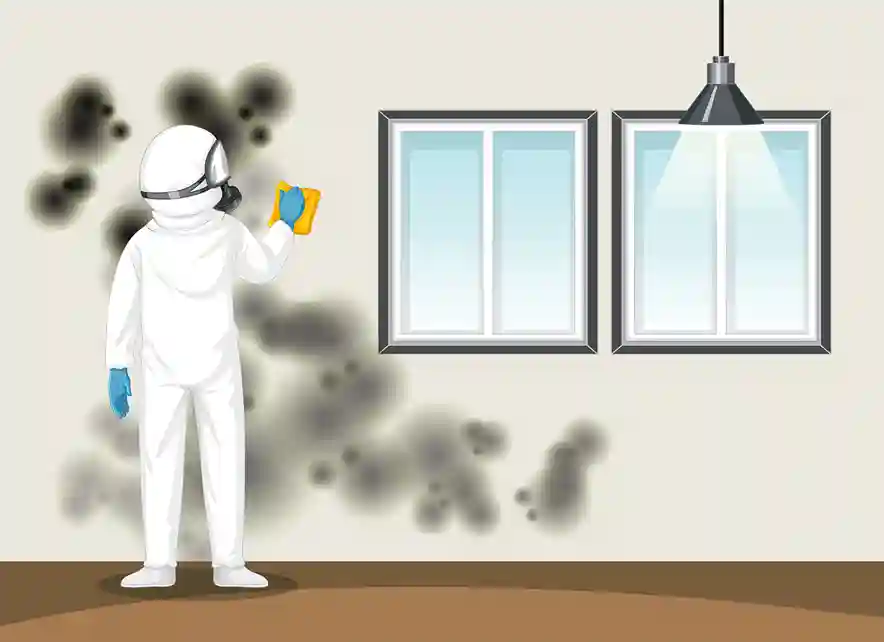
Mold needs moisture to grow. Mold spores are naturally present in indoor and outdoor air, and they can settle on materials such as drywall, wood, carpet, and insulation. When those materials stay damp, mold can begin growing.
High indoor humidity can worsen the problem, especially when it persists for long periods. That means a mold problem is usually a moisture problem first. A leaking pipe, roof intrusion, condensation, flooding, or a poorly ventilated bathroom can create the conditions mold needs.
Why Air Sampling Has Limits
Air sampling gives you a snapshot of airborne particles at a specific time and location. A low spore count does not necessarily prove that hidden mold is absent.
Mold could be growing behind drywall, underneath flooring, around a plumbing leak, or in another concealed area without releasing large amounts of spores into the air at the exact moment of testing.
That is why mold detection in buildings should not rely on an air sample alone. A thorough evaluation also considers visible conditions, moisture levels, water damage, odors, ventilation, and the building’s history.
What Do the CDC and EPA Recommend
The EPA generally does not recommend routine mold air sampling as the starting point for evaluating a building.
If you can already see mold or identify water intrusion, you’re usually better off spending your money finding and fixing the moisture source and addressing the affected materials.
That is where indoor air quality testing fits best. Use it as one piece of the investigation, not as a substitute for physical moisture control and a careful inspection.
The goal is not simply to measure what’s floating through the air. It’s to understand why the indoor environment may be unhealthy and what needs to change.
What is Sick Building Syndrome
Sick building syndrome describes situations where people experience symptoms while spending time in a particular building, but investigators cannot trace those symptoms to a single illness or pollutant.
Common complaints include headaches, fatigue, dizziness, nausea, irritated eyes or throat, and unusual sensitivity to odors. Symptoms may improve after leaving the building.
There’s a striking real-world example. In 1994-95, 518 of the 640 workers at the Massachusetts Registry of Motor Vehicles building in Boston reportedly became ill, making the incident a notable example in discussions of sick building syndrome.
The lesson is simple: a building can look modern and clean while still having indoor environmental problems.
What Is the Difference Between Sick Building Syndrome and Building-Related Illness
Sick Building Syndrome and Building-Related Illness are not the same thing. SBS describes symptoms linked to time spent in a building without a clearly diagnosed illness, while BRI involves a specific illness that can be connected to a building or its indoor environment.
| Category | Sick Building Syndrome (SBS) | Building-Related Illness (BRI) |
| Symptoms | Acute, non-specific symptoms such as headaches, fatigue, dizziness, and eye or throat irritation | A specific, diagnosable illness, such as Legionnaires’ disease or hypersensitivity pneumonitis |
| Identifiable Cause | No single specific cause or pollutant is identified | A specific biological, chemical, or environmental agent can often be identified |
| After Leaving the Building | Symptoms often improve after spending time away from the building | Symptoms may continue after leaving because an identifiable illness has developed |
How Does Indoor Air Quality Testing Support Mold Detection in Buildings
Good mold detection in buildings starts with looking for moisture, not simply collecting air samples.
You should pay attention to:
- Water stains or discoloration
- Musty odors
- Condensation around windows or pipes
- Damp basements or crawl spaces
- Plumbing or roof leaks
- High indoor humidity
- Poorly maintained HVAC equipment
- Areas that stay damp after water damage
The CDC notes that any mold growing in a building points to a water or moisture problem that needs attention. It also does not recommend routine air sampling for mold during building air-quality evaluations because no health-based standards exist for acceptable indoor mold levels.
Can Testing Help You Catch Problems Early
Yes, and that’s where indoor air quality testing provides real value.
You may not notice excessive humidity or poor ventilation until you start experiencing symptoms or see visible damage. Testing can give you measurable information that helps point the investigation in the right direction.
It works best as part of a broader inspection that considers the building, moisture sources, HVAC system, ventilation, and occupant concerns.
Protect Your Indoor Air With Professional Home Inspection
Your home should not make you wonder why you constantly feel uncomfortable indoors.
Bentley Home Inspection can help you understand your property’s conditions and identify potential concerns that deserve a closer look. If you’re worried about humidity, ventilation, moisture, mold, or unexplained indoor-air concerns, scheduling an indoor air quality testing assessment can be a smart place to start.
Don’t wait until a small moisture problem becomes expensive damage. Contact us to discuss your indoor air concerns and determine which testing or inspection makes sense for your property.
FAQS
1- Does indoor air quality testing detect mold?
It can provide information about indoor conditions, but air sampling alone does not reliably determine whether a building has a mold problem. Moisture investigation and visual inspection are often more useful.
2- How does humidity contribute to mold growth?
Excess humidity creates conditions for mold growth. Keep indoor relative humidity between 30% and 50%.
3- What are common signs of sick building syndrome?
Common warning signs include headaches, fatigue, dizziness, nausea, irritated eyes or throat, and symptoms that improve after leaving the building.
4- Should you test for mold if you can already see it?
Usually, no. If you can see mold, focus on safely removing it and fixing the moisture source that let it grow.