This guide explains the top signs a metal roof needs repairs and why these issues can influence inspections, pricing, and negotiations. If you are preparing to buy or sell a home, understanding these signs helps you avoid delays and make more informed choices.
Metal roofs are popular across Eastern Tennessee because they handle heavy rain, strong winds, and quick weather changes better than many other roofing materials. Even so, a metal roof can still develop problems that matter during a home sale. Buyers want a clear picture of the home’s condition, and sellers want to avoid repair surprises late in the process.
Why Metal Roof Repairs Matter During a Home Sale
The roof is one of the first areas buyers ask about, and for good reason. A metal roof with damage can affect insurance, energy efficiency, and the long-term cost of homeownership. In Eastern Tennessee, our climate pushes roofs harder than many people expect. Strong storms, humidity, and falling branches all increase wear.
Roof issues also influence home value. A buyer may request repairs, ask for a lower price, or pause the contract if they suspect the roof has hidden damage. Sellers who address roof concerns early often move through negotiations faster and with fewer surprises.
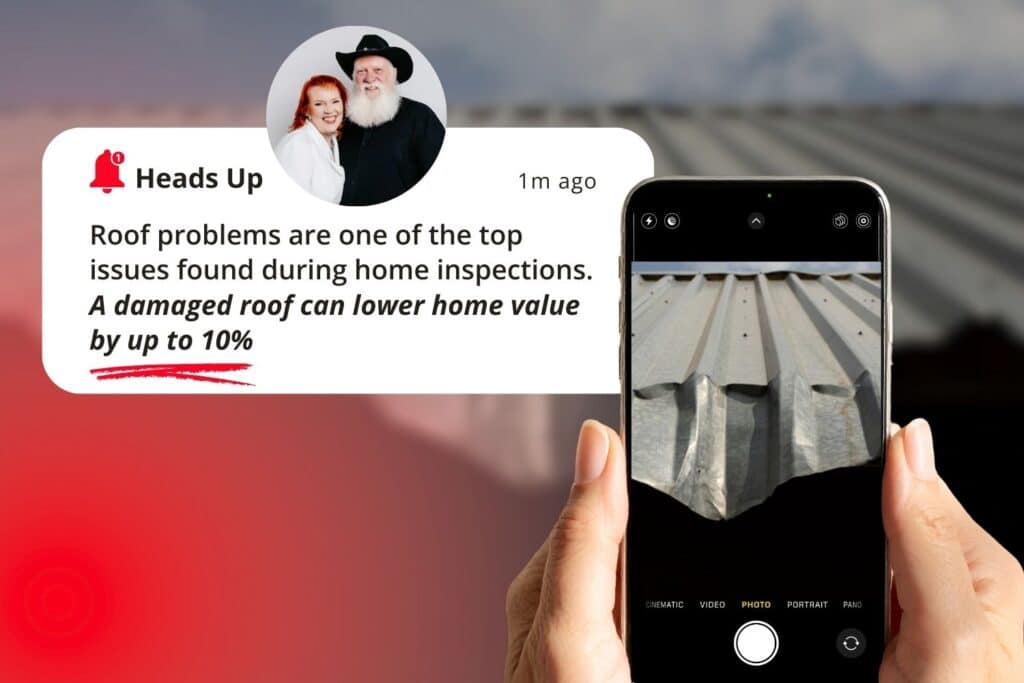
According to research from home inspection industry groups, roof problems are one of the most common findings noted in inspection reports. Even small defects are important because they often lead to larger issues with moisture, insulation, or structure.
That’s why recognizing these signs of roof trouble helps both sides of the sale.
Rust or Corrosion on Panels
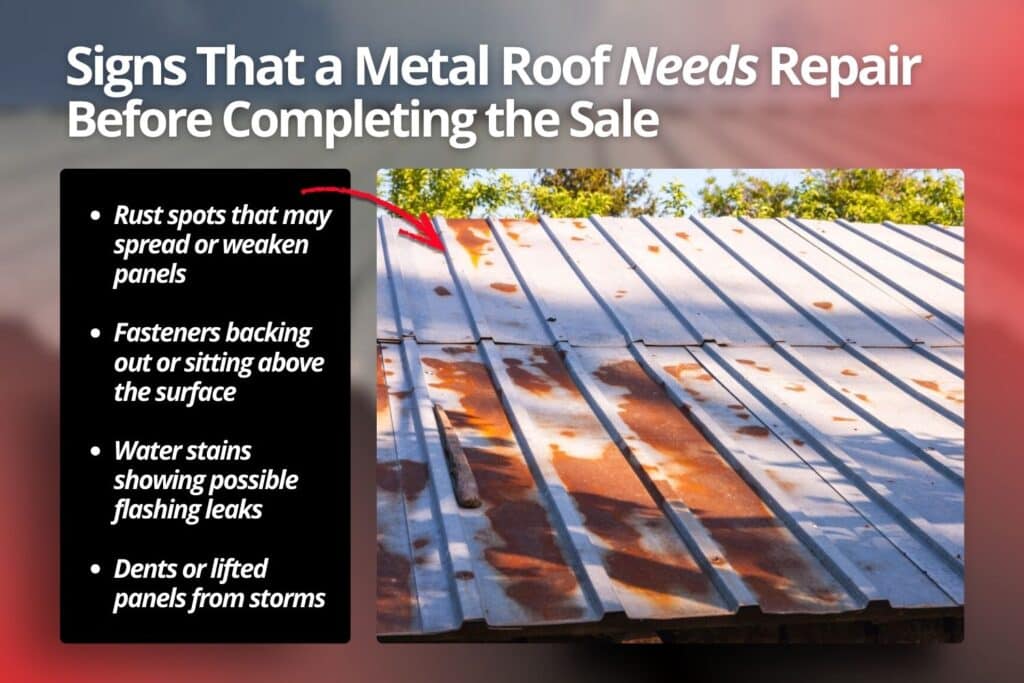
Rust is one of the clearest signs a metal roof needs attention. Once rust appears, it tends to spread and weaken the coating that protects the panels. Even small patches can lead to leaks.
Look for:
- Orange or brown spots on the surface
- Rough or flaky coating
- Areas that stay damp longer after rain
- Thin or chalky protective finish
Eastern Tennessee’s humidity increases the rate of corrosion, especially on older roofs or roofs with trees nearby. Rust does not always mean the entire roof must be replaced, but it does mean the roof should be evaluated. A buyer should expect this to appear in an inspection report, and a seller should consider addressing rust before listing.
Visual idea: Close-up comparison of intact coating vs a rusted section.
Loose or Lifted Fasteners
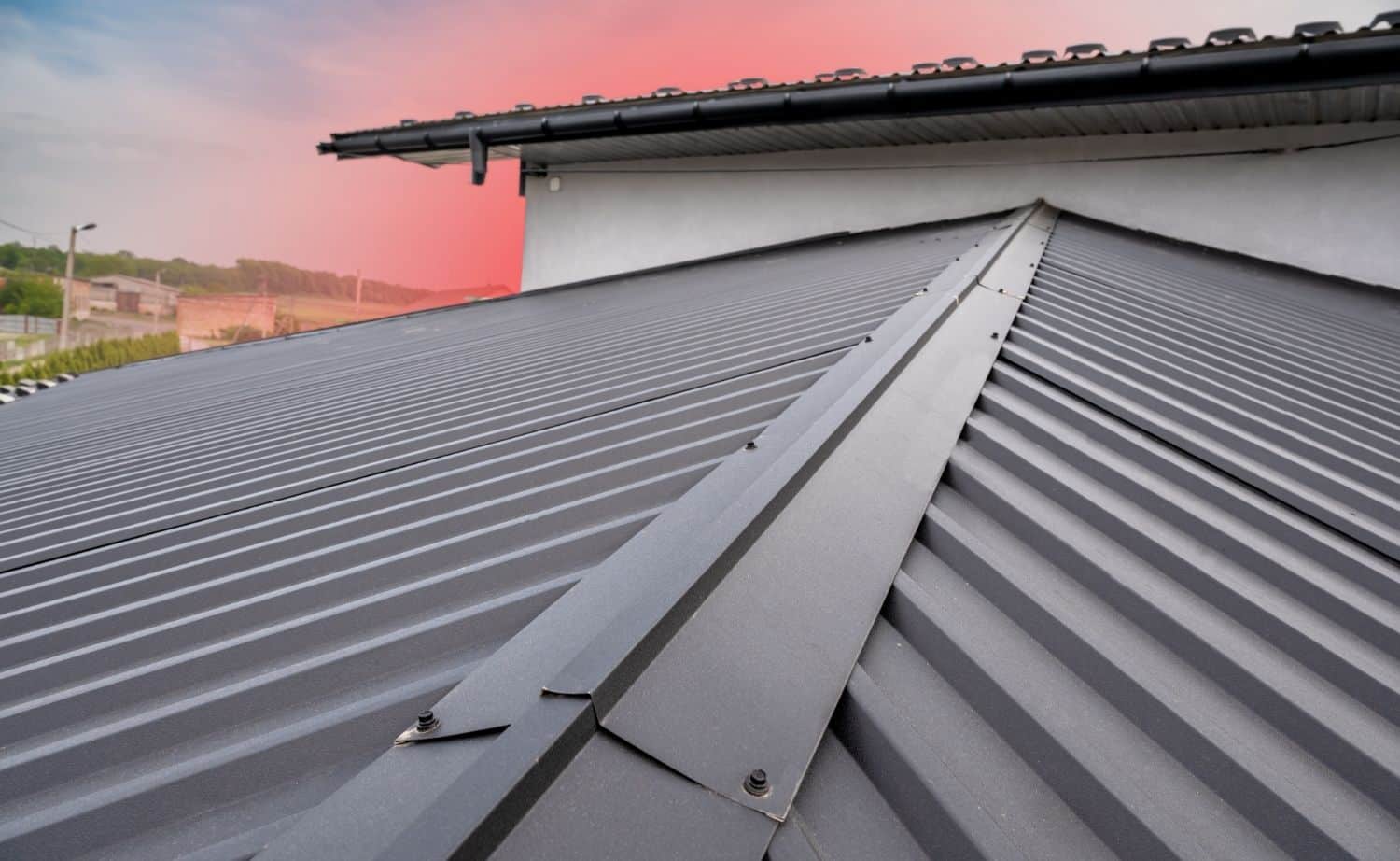
Fasteners secure the metal panels in place. When they loosen, the roof becomes far more vulnerable to water intrusion and wind damage. Strong wind gusts in our region often pull fasteners out of position.
Look for:
- Screw heads sitting above the panel instead of flush
- Missing fasteners
- Panels that shift or make noise during storms
- Gaps at seams or edges
Loose fasteners create small openings where water enters and collects. Over time, this can lead to attic moisture, insulation damage, or staining on interior ceilings. If a buyer spots this issue, they should expect the inspector to call it out. For sellers, correcting loose fasteners early often prevents larger concerns from showing up during negotiations.
Leaks or Water Stains
Metal roofs resist water well, but they can still leak. Leaks often begin at small gaps, weakened sealant, or worn flashing. Water usually enters the attic first and may not be visible inside the living space right away.
Look for:
- Water stains on ceilings or upper walls
- Damp insulation
- Mold or musty smells in upper rooms
- Drips that only appear during or after storms
Industry reports show that many roof leaks start with failing flashing. In Eastern Tennessee, wind-driven rain pushes moisture into minor openings around chimneys, skylights, and roof transitions. That makes flashing a high-priority area for buyers to review and a smart location for sellers to check before listing.
Visual idea: Attic diagram showing leak paths around flashing.
Dents or Impact Damage from Storms
Metal roofs can dent when struck by hail, debris, or tree limbs. Dents may look small from the ground, but they can weaken coatings or loosen seams. Larger dents may even suggest stress beneath the panels.
Look for:
- Visible dents on flat sections or ridges
- Impact marks near tree lines
- Sharp creases where limbs struck the roof
The Eastern Tennessee region sees seasonal hail and strong storms, so dented panels are a frequent inspection finding. A buyer should not ignore dents, and a seller should understand that impact damage may raise questions about the roof’s remaining life.
Worn Sealant or Failing Flashing
Sealant and flashing protect the most vulnerable areas of a metal roof. These materials age faster than the panels themselves and often signal the need for repair long before the metal wears down.
For worn sealant, look for:
- Cracks or splits in the material
- Areas where the sealant has lifted or thinned
- Openings that allow water to gather
For failing flashing, look for:
- Flashing pulling away from walls or chimneys
- Warped or bent edges
- Visible gaps along joints
Because these weak points tend to leak first, buyers and sellers should treat them seriously. A seller who fixes flashing damage early can prevent major concerns on the inspection report.
Warped or Lifted Panels
Panels that look raised or uneven may have expanded, shifted, or lifted due to heat, moisture, or improper installation.
Possible causes:
- Heat expansion during summer
- Moisture trapped under panels
- Storm damage
- Fasteners installed incorrectly
When panels warp, water settles in areas not designed for pooling. This often leads to corrosion or leaks. Buyers should ask their inspector for close-up photos, and sellers may want a pre-listing inspection if the roof shows uneven lines.
Noise During Wind or Rain
A metal roof normally makes light tapping sounds during storms, but loud or repeated noises often point to a developing problem. Banging, popping, or rattling can mean the panels are shifting or the fasteners are no longer holding them tightly in place.
Roof movement like this is more common in homes exposed to strong Tennessee winds or roofs that already have lifted fasteners or warped seams. These noises can also show that the roof is flexing more than it should, which may place extra stress on seams, joints, and flashing.
If buyers hear these sounds during a showing, they should ask for a closer look. Sellers who notice these noises at home should consider addressing them before listing.
Moisture Problems Inside the Attic
A metal roof problem often appears in the attic before it shows inside the living space.
Look for:
- Damp or compressed insulation
- Wood staining or discoloration
- Small patches of mold
- High humidity in the attic
In Eastern Tennessee’s climate, moisture spreads quickly once it enters the attic. Roofing, ventilation, and insulation work together, so issues in this space can point to roof concerns as well as broader home performance questions.
Visual idea: Attic photo mockup with moisture indicators labeled.
Related Questions
How long does a metal roof last in our region?
Most metal roofs last 40 to 70 years, but roofs exposed to frequent storms or high humidity may need repairs sooner. A detailed home inspection helps show how well the roof has held up and whether any related areas, like attic insulation or ventilation, need attention.
Are small dents from hail a major concern?
Dents can weaken the protective coating on metal panels. Even if the roof is not leaking, dents may shorten the life of the surface. This matters during broader exterior evaluations since hail often affects siding, gutters, and other surfaces that inspectors review.
Should buyers be concerned if a roof looks fine from the ground?
Yes. Many issues, such as lifted fasteners, worn sealant, and flashing problems, are not visible without getting on the roof or checking the attic. That is why a full inspection is recommended during a home purchase.
How does roof ventilation affect the rest of the home?
Poor ventilation can trap heat and moisture in the attic, which may lead to roof wear, higher energy bills, or comfort issues inside the home. This connects to your evaluations, moisture inspections, and insulation quality.
When to Call a Professional
Call a professional when the signs you see suggest the roof may have deeper issues than what is visible from the ground. Metal roofs often hide early damage under panels, at seams, or inside the attic, so a trained home inspector is the best way to understand the full picture before you buy or sell.
A professional inspection is helpful when you notice:
- Rust forming on panels or trim
- Lifted fasteners or uneven seams
- Water stains inside the home or attic
- Noise during storms that suggests roof movement
- Dents or other storm impacts
- Mold, musty smells, or poor ventilation in the attic
An inspection provides more than a simple yes or no. You get photos, clear explanations, and a detailed report that shows how urgent each issue is. This helps buyers avoid unexpected repair costs and helps sellers prepare for questions that may come up during negotiations.
Bentley’s team also checks related areas that influence roof performance, such as ventilation, insulation, attic moisture, and signs of structural stress.
Conclusion
A metal roof can last for decades, but it still needs attention as it ages. Knowing the early signs of damage helps buyers avoid costly surprises and helps sellers prevent delays during negotiations. When you are preparing to buy or sell a home in Eastern Tennessee, a detailed inspection gives you a clear picture of the roof’s condition and how it may impact the rest of the home.
If you want clarity before moving forward, scheduling a professional home inspection is one of the simplest ways to get reliable answers and protect your investment. Bentley Home Inspection is here to help you understand the full condition of the home so you can make confident decisions throughout the process.