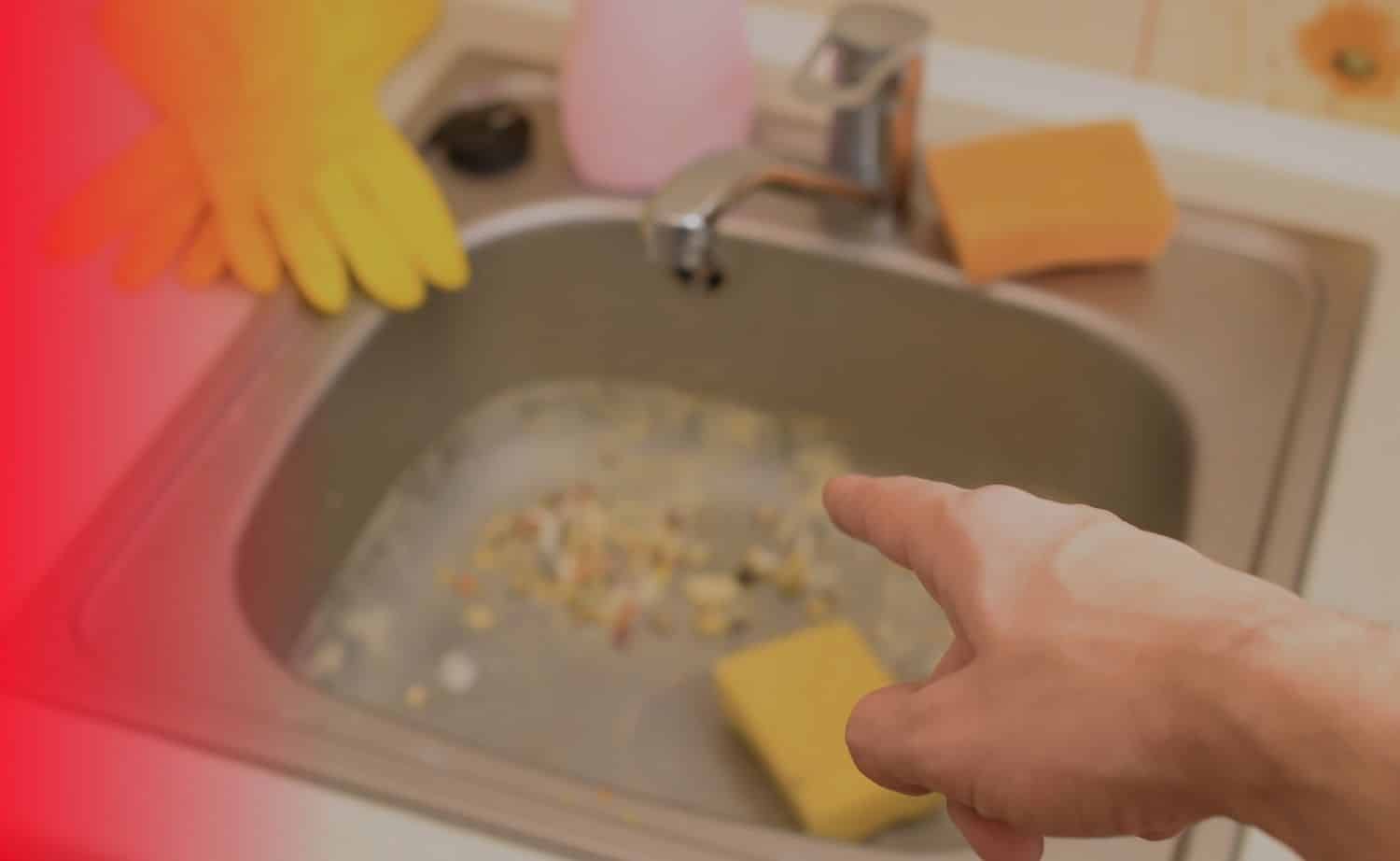
That standing water in your kitchen sink after doing the dishes isn’t just annoying. A slow-draining kitchen sink can tell you a lot about the health of your home’s plumbing, and sometimes it points to issues well beyond a simple clog.
For homeowners across East TN, it’s easy to shrug off a sluggish drain. But understanding what’s really going on can help you catch small problems before they become expensive ones.
In this post, we’ll walk through the most common causes, what each one could mean for your home, and when it makes sense to get a professional involved.
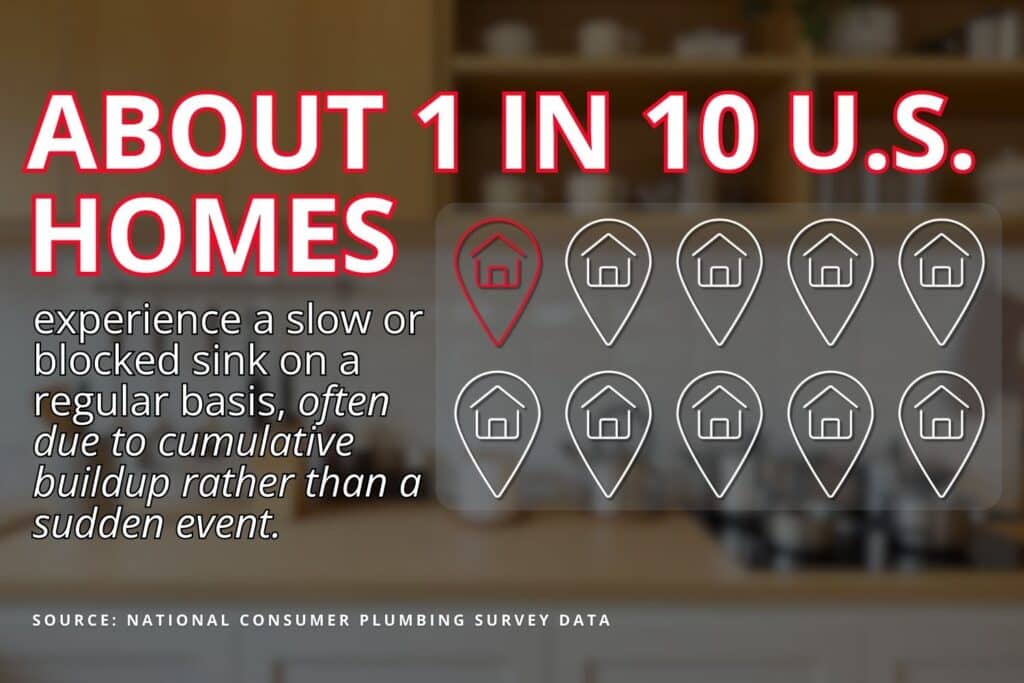
A slow drain rarely happens overnight. In most cases, it’s been building for weeks or months, and by the time you notice standing water, the issue is already well underway.
What makes this worth paying attention to is that the cause isn’t always local to the sink itself. Sometimes a slow drain signals a problem deeper in your plumbing lines, with your main sewer connection, or even with the structure of your home.
Several things can cause a slow-draining kitchen sink, and some are more serious than others. Here’s a closer look at the most common ones and what they could mean for your home.
Grease and Food Buildup
The most common reason for a slow-draining kitchen sink is grease, soap residue, and food particles coating the inside of the drain pipe. Even with a garbage disposal, small amounts of grease narrow the pipe over time and catch more debris.
This is especially common in East Tennessee homes where hard water is a factor. The mineral content in our water supply can make grease deposits stickier and harder to clear.
Quick prevention tips: Run hot water for 30 seconds after each use. Avoid pouring oil or grease down the drain. Use baking soda and vinegar monthly to help break down buildup. Add a mesh drain cover to catch food particles.
P-Trap Blockages
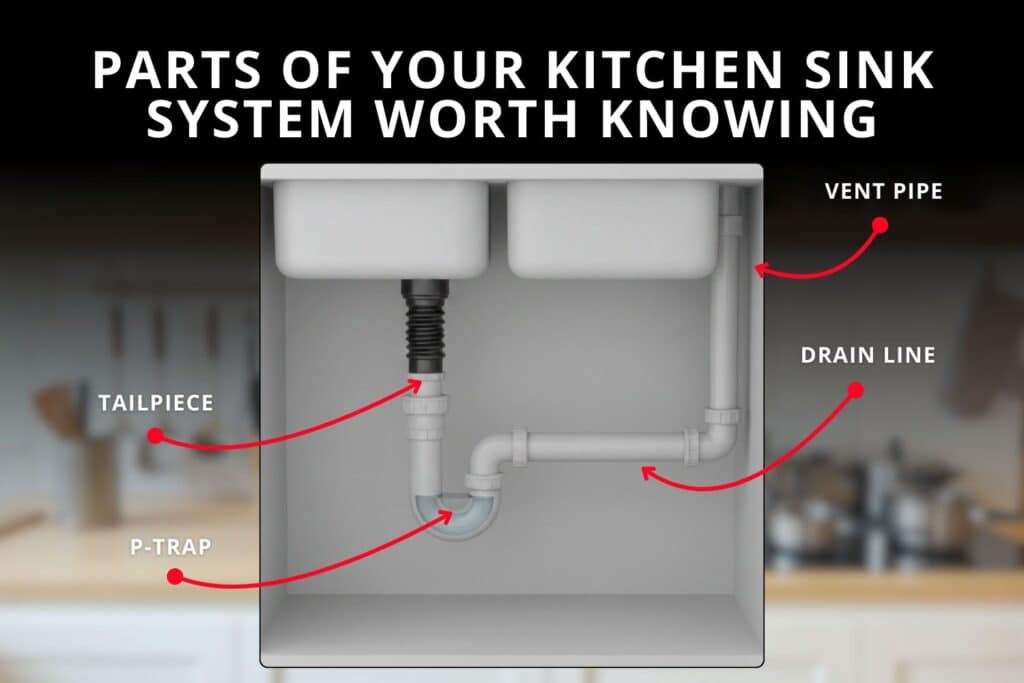
The P-trap is the U-shaped pipe directly under your sink. It holds a small amount of water to block sewer gases from coming up through the drain, but that curve is also a common spot for clogs. Food scraps, grease, and even small objects can get lodged there and restrict water flow.
If your slow drain started suddenly rather than gradually, this is one of the first things to check. You can often remove and clean the P-trap yourself with a bucket and a pair of pliers. But if the clog isn’t there, the problem is likely further down the line.
Drain Vent Problems
Every drain in your home connects to a vent pipe that runs up through the roof. These vents allow air into the system so water flows freely. Without proper airflow, drains slow down, gurgle, or stop working altogether.
In the Smoky Mountain foothills and valleys around Sevierville and Jefferson City, falling leaves, bird nests, and seasonal debris block roof vents more often than you’d expect. If your slow drain is also making gurgling sounds, or if multiple drains seem sluggish at the same time, venting could be the cause.
Main Sewer Line Issues
A slow-draining kitchen sink can sometimes point to your main sewer line. If the main line is partially blocked, it affects every drain in the home, but the kitchen sink is often where you notice it first.
In East Tennessee, tree root intrusion is a leading cause. Roots from large hardwoods naturally seek moisture and find their way into small cracks in sewer pipes. Homes with mature trees throughout Knoxville, Oak Ridge, and Lenoir City are particularly susceptible.
Watch for these signs alongside your slow kitchen sink:
If you’re seeing more than one of these, it’s worth having someone take a closer look sooner rather than later.
Old or Corroded Pipes
Many East Tennessee homes still have their original plumbing. Galvanized steel pipes, common through the 1960s and 70s, corrode from the inside out. As rust and scale build up, the opening shrinks, and flow slows, even without an actual clog.
Pipe Material
Common Era
Typical Lifespan
Galvanized Steel
Pre-1970s
20–50 years
Cast Iron
Pre-1970s
50–100 years
Copper
1960s–present
50–70 years
PVC
1970s–present
50+ years
PEX
1990s–present
40–50+ years
If you’re buying an older home in the area, a home inspection can identify the type of plumbing, its condition, and whether it’s likely to need attention soon.
Improper Installation
Not every plumbing problem comes from age. Incorrect pipe slope, undersized drain lines, or improperly connected vents can all cause drainage issues that no amount of drain cleaner will fix. This comes up most often in homes that have had kitchen remodels, additions, or DIY plumbing work done without a permit or professional oversight. It can also show up in newer builds where the work was rushed.
A trained eye can usually spot installation problems during a thorough inspection, which is one more reason to have your plumbing evaluated if the issue keeps coming back.
When It’s More Than Just a Kitchen Sink
Your plumbing is an interconnected system, and a slow drain can signal or eventually cause issues elsewhere.
Water damage and mold. Standing water or slow leaks under the sink create ideal conditions for mold, especially in East Tennessee’s humid climate, where it can take hold quickly in dark, damp spaces like under-sink cabinets.
Foundation concerns. Persistent leaks, especially from the main sewer line, can erode soil around your foundation over time. Cracks in foundation walls or uneven floors could be part of the picture.
Septic considerations. For homeowners in more rural areas around Dandridge, Newport, or Greeneville, slow drains could also mean your septic system needs attention. A full or failing tank will cause drainage to slow throughout the entire home.
Other Questions Homeowners Ask
Is it safe to use chemical drain cleaners?
Most plumbers and inspectors recommend against them. Chemical cleaners can corrode pipes over time, especially galvanized or cast-iron plumbing. They also tend to provide temporary relief without fixing the actual cause.
Should I worry about a slow drain before selling my home?
Yes. A slow-draining kitchen sink is the type of issue that comes up during a buyer’s inspection. Understanding the cause ahead of time puts you in a stronger negotiating position.
What will a home inspector actually check?
A home inspection covers your roof, HVAC, electrical panel, foundation, attic, and more. Plumbing is one piece of the full picture, and most issues are easier to catch when someone evaluates the whole system together.
Can mold grow in places I can’t see?
Yes, and it’s more common than most homeowners realize. Mold thrives in dark, damp areas like crawl spaces, behind walls, and under cabinets, especially in East Tennessee’s humid climate.
When to Call a Professional
If you’ve cleared the clog and the problem keeps coming back, it may be time to look deeper. A home inspection can help you understand what’s actually going on with your plumbing before you spend money on repairs.
Consider scheduling an inspection if:
The slow drain returns after multiple attempts to fix it
More than one drain in the home is affected
You hear gurgling from other fixtures when the sink drains
There’s a persistent odor or visible moisture near the sink
Your home is older, and you’re unsure about the plumbing condition
An inspector can evaluate your entire plumbing system, identify the type and condition of your pipes, assess your water heater, and flag signs of water damage or moisture issues you may not be able to see on your own. That information puts you in a much better position to decide what repairs are actually needed and who to call next.
Conclusion
A slow-draining kitchen sink might seem minor, but it’s your home’s way of telling you something. Whether it’s a simple grease buildup or an early sign of a deeper issue, the sooner you understand the cause, the easier and less expensive it is to address.
If you’re in Knoxville, Maryville, Sevierville, or anywhere in East Tennessee and want a clear picture of your home’s plumbing health, the team at Bentley Home Inspection can help. Our inspections go beyond the surface to give you honest, detailed information about the systems that matter most.