
No, a general home inspection does not test the air for mold. A standard inspection is a visual evaluation of the home’s major systems, so an inspector will note visible mold, water stains, and moisture problems, but they do not collect air samples or send anything to a lab unless you order separate mold testing.
At Bentley Home Inspection, we want East Tennessee buyers and homeowners to know that difference up front, because the musty smell in a basement is a testing question, not a checkbox on the standard report.
Here is what a general inspection covers, how real mold testing works, and when it is worth paying for.
Does a General Home Inspection Test the Air for Mold?
A general home inspection does not include air quality testing for mold. Home inspections follow a visual, non-invasive standard of practice: the inspector examines the roof, structure, plumbing, electrical, HVAC, and other systems and reports what they can see.
If there is visible mold or a clear moisture issue, a good inspector will flag it and recommend further evaluation.
What they will not do is pull air samples, count spores, or identify mold species, because that is a separate, lab-based service.
What a Home Inspector Does Look For
During a standard inspection, the inspector looks for the conditions that allow mold to grow, even when no testing is involved. Expect them to check for:
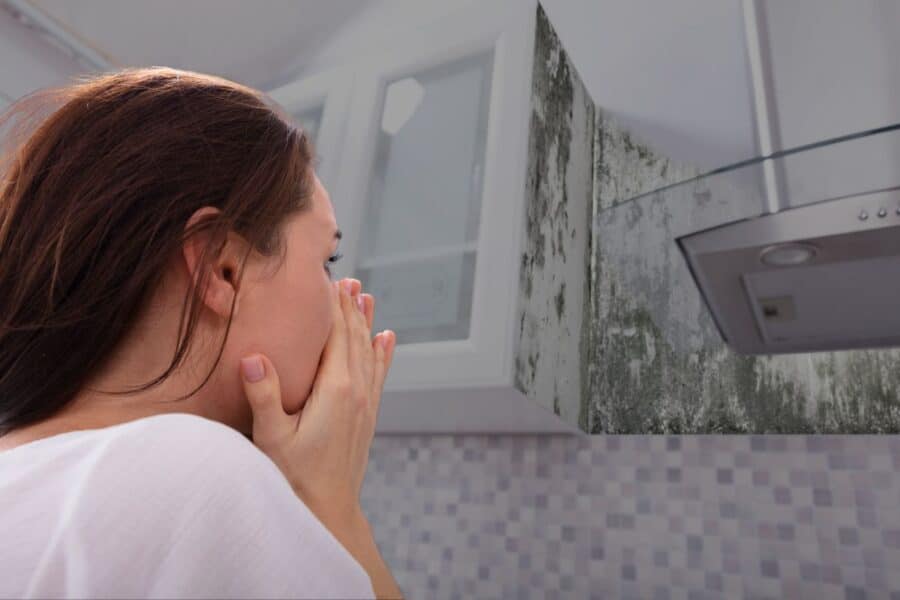
- Visible mold growth on walls, ceilings, trim, and around windows
- Water stains, past leaks, and active moisture intrusion
- High-humidity areas such as bathrooms, basements, and crawlspaces
- Poor ventilation, condensation, and plumbing leaks
- Musty or earthy odors that suggest hidden moisture
These observations are valuable, but they describe what the inspector can see and smell, not what is floating in the air. When the visual findings point to a deeper problem, that is the cue to order professional mold testing.
How Mold Testing Actually Works
Mold testing uses physical samples analyzed by an independent lab, which is what separates it from a visual inspection. There are two main methods.
Air sampling
A calibrated pump draws air through a spore-trap cassette for a set time, capturing airborne spores onto a slide. An accredited lab then counts and identifies them. A key step is taking an outdoor baseline sample on the same visit, because indoor spore counts only mean something when compared against the outdoor air around the home.
Surface sampling
A swab or tape lift collects material directly from a suspect surface to confirm whether a stain is actually mold and what type it is. Surface sampling answers “is this mold,” while air sampling answers “what is in the air the occupants breathe.”
A good lab report does more than hand you a number. It identifies the types of mold found, shows the indoor spore counts next to the outdoor baseline, and flags whether the indoor levels or species suggest active hidden growth rather than the normal spores that drift in from outside. Most accredited labs turn results around in a few business days.
That said, a comparable result is the real value of professional testing, because it gives you something concrete to act on and to share with a contractor, a buyer, or a seller, rather than the vague reading a consumer gadget provides.
Mold Inspection vs. Mold Testing: What’s the Difference?
A mold inspection is the visual and moisture investigation; mold testing is the lab analysis of samples. The two work best together. An inspection finds the moisture source and the likely problem areas, and testing confirms and documents what is present.
Bentley Home Inspection takes an independent position on this: we test and document, we do not perform remediation, so there is no incentive to over-report a problem. That separation protects the client.

Can a DIY Kit or Air Quality Monitor Detect Mold?
DIY kits and air quality monitors are not reliable ways to detect mold. Consumer air quality monitors measure particulate matter such as PM2.5, but they cannot tell a mold spore apart from ordinary dust, so they cannot confirm or identify mold. DIY settling-plate kits almost always grow something, because mold spores are everywhere, and without an outdoor baseline, the result has no real context. That leads to false alarms and unnecessary worry. For an answer you can act on, lab-analyzed sampling with an outdoor comparison is the standard.
When Air Testing for Mold Is (and Isn’t) Worth It
Air testing is worth it when you cannot see the mold but have reason to suspect it, and it is often unnecessary when mold is already visible. If you can see growth, the EPA’s guidance is that sampling is usually not needed: you already know to remove it and fix the moisture source.
The EPA also notes there are no federal standards for acceptable airborne mold levels, so a spore count has no official pass-or-fail line. Testing makes the most sense when there is a musty odor with no visible source, after water damage, during a real estate transaction, or when someone in the home has unexplained symptoms.
In humid East Tennessee, where older homes and vented crawlspaces hold moisture, those situations come up often, whether you are buying in Knoxville or one of the surrounding counties.

Where Mold Hides in East Tennessee Homes
Mold needs moisture, so it tends to show up in the same predictable places, many of which a homeowner never sees. Crawlspaces are a frequent culprit in our region, where humid air and ground moisture meet wood framing under the house. Basements and the backs of closets on exterior walls collect condensation, and bathrooms with weak exhaust fans trap shower steam.
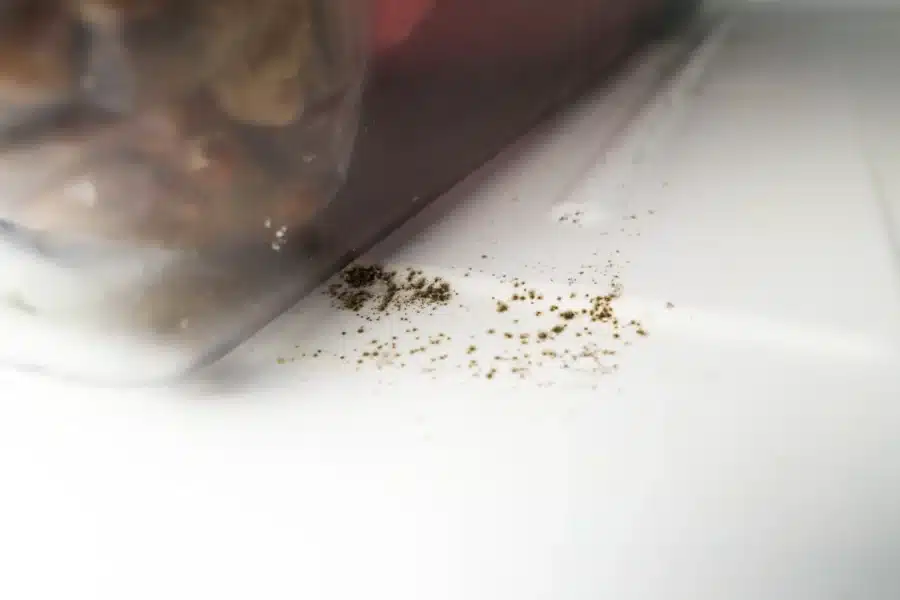
Attics develop mold when a bathroom fan or dryer vents into the space instead of outside, or when roof leaks go unnoticed. Mold can even turn up in surprising spots, as we explain in our look at whether mold can grow in a freezer.
HVAC systems and ductwork can harbor mold when condensation builds on coils, then spread spores through the home each time the system runs.
Behind and under appliances, around window frames, and beneath sinks are other common spots. Because so many of these areas are hidden, a musty odor with no visible source is one of the strongest reasons to look closer.
What to Do If You Suspect or Find Mold
If you find or suspect mold, your first move is to address the moisture, not just the stain. Mold returns wherever water keeps feeding it, so fixing the leak, lowering humidity, or improving ventilation is the real solution.
For a small area of visible mold, the EPA notes that homeowners can often clean spots under about 10 square feet themselves with proper precautions. For larger areas, hidden growth, or mold tied to contaminated water or a recurring leak, bring in professionals.
When you cannot see the source but the signs are there, that is when air and surface testing earn their cost by telling you what is present and where to focus.
Documenting conditions also matters during a real estate transaction, when buyers, sellers, and agents all want an objective answer rather than a guess.
Related Questions to Explore
Can air quality monitors detect mold?
No. Consumer air quality monitors count particulate matter like dust and PM2.5, but cannot distinguish mold spores from other particles or identify species. They can hint that air quality is poor, but only lab-analyzed sampling can confirm mold.
Do home air quality tests detect mold?
DIY home test kits are unreliable. Settling-plate kits grow mold because spores exist everywhere, and without an outdoor baseline, the results lack context. Professional air sampling sent to an accredited lab is the dependable method.
How much does mold air testing cost?
Costs vary by market and number of samples. Professional air testing commonly runs a few hundred dollars, and a fuller mold inspection with multiple samples costs more. Contact Bentley Home Inspection for current East Tennessee pricing.
What are the signs of mold in the air?
Common signs include a persistent musty or earthy odor, visible growth or discoloration, condensation and high humidity, and allergy-like symptoms that ease when you leave the home. Any of these, especially after water damage, is a reason to consider testing.
When to Call a Professional
Call a professional when you smell mold but cannot find it, after any water damage or flooding, before buying or selling a home, or when the household has unexplained respiratory or allergy symptoms, because those are the cases where lab-based testing gives you an answer that a visual check cannot.
A qualified provider performs the inspection, collects air and surface samples with an outdoor baseline, and delivers lab results you can act on.
Bentley Home Inspection serves Knoxville, Maryville, Loudon, Sevierville, and communities across East Tennessee, and we test rather than remediate, so our findings stay objective. If you are scheduling a home inspection, you can add mold testing at the same time.
Conclusion
The short answer and what to do with it:
- A general home inspection does not test the air for mold. It visually flags visible mold, leaks, and moisture.
- Real mold testing means lab-analyzed air and surface samples with an outdoor baseline, not a DIY kit or an air quality monitor.
- If mold is visible, you usually do not need a test. If it is hidden or you have had water damage, testing is worth it.
Worried about mold in your East Tennessee home? Learn about Bentley Home Inspection’s mold testing service, and we will help you get a clear, independent answer.