Short Answer: Knoxville and East Tennessee buyers should consider a well inspection whenever a home relies on a private well, especially before closing. A well inspection in Tennessee can help identify problems with the pump, pressure system, well head, or other components before you take ownership.
A house outside Knoxville can look perfect on paper. Nice yard. Quiet road. Maybe a little more land than you could afford inside the city.
Then you find out the house runs on a private well.
That changes the inspection conversation. You are not just buying a kitchen, roof, HVAC system, and foundation. You are also buying the system that supplies your drinking water. A well inspection in Tennessee can help you understand what you are taking on before you sign the closing papers.
Do You Need a Well Inspection When Buying a Home Near Knoxville
If the property has a private well, getting a well inspection is a smart part of your due diligence.
You will see private wells throughout the Knoxville area and farther into East Tennessee, especially as you move into more rural parts of Knox, Anderson, Blount, Sevier, Loudon, and surrounding counties.
And here is something buyers sometimes miss: the house can pass a regular home inspection while the well still deserves its own closer look.
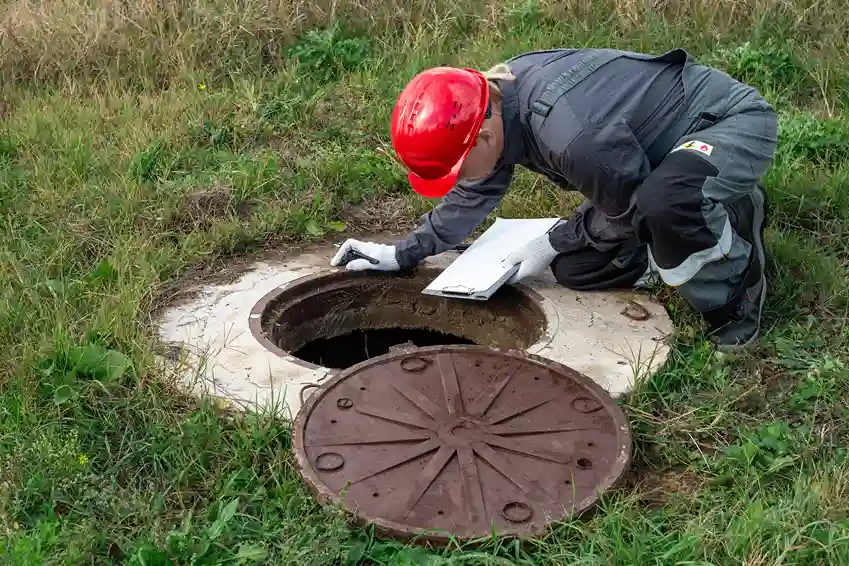
A well evaluation can examine accessible parts of the system, including the well head, pump, pressure tank, electrical components, visible plumbing, and water pressure. It can also uncover obvious signs of damage or poor maintenance.
When Is the Right Time to Inspect a Private Well
Do it before you close, preferably while your inspection or due diligence period is still open.
That timing matters. If the pump starts acting up after you own the house, you’re responsible. If a concern comes up during the buying process, you at least have a chance to discuss repairs, negotiate, or reconsider the purchase.
Older homes deserve particular attention. So do properties where the seller has little documentation about the well or cannot remember when the pump was last serviced.
Tennessee keeps records for private wells, too. The state’s Water Well Drillers Report includes information such as the well location, completion date, and construction details. Buyers can request a copy using the well’s Driller Tag number.
Is Well Water Testing in Knoxville Different From a Well Inspection
Yes, and you really want to know the difference.
A well inspection in Tennessee looks at the physical system. Well water testing in Knoxville looks at the water coming out of that system.
One does not replace the other.
| Evaluation | What It Checks | Possible Warning Signs |
| Mechanical Well Inspection | Pump flow rate (GPM), water pressure, pressure tank, electrical controls, well head and sanitary seal | Pressure fluctuations, short-cycling pump, rust around the pressure tank, damaged or cracked sanitary seal |
| Laboratory Water Test | Total coliform and E. coli bacteria, nitrates/nitrites, pH, lead, and Total Dissolved Solids (TDS) | Bacteria detected, elevated nitrates, unusual pH, discoloration, sulfur or “rotten egg” odor, heavy mineral scaling |
You need to keep those two things separate. A pump can be working perfectly while the water has a bacterial or chemical issue. Likewise, clean-looking water does not tell you whether the well equipment is operating properly.
The CDC recommends testing private wells annually for total coliform bacteria, nitrates, total dissolved solids, and pH. Tennessee also encourages private well users to test their drinking water regularly.
When buying a home, ask the seller for recent results. If there are no results or the report is several years old, consider fresh testing.
Why Does Well Location Matter for East Tennessee Buyers
East Tennessee properties can have very different groundwater conditions depending on the geology, drainage, nearby land use, and well construction. You may also find homes with wells located surprisingly close to other parts of the property.
For a Knoxville-area buyer, this is worth checking during a well inspection in Tennessee, especially on older rural properties where the well, septic system, and other structures may have been installed many years ago.
| Potential Contamination Source | Minimum Separation From Well |
| Septic tank or drain field | 50 feet |
| Sewer line | 50 feet |
| Animal pen or feed lot | 100 feet |
| Property line | 10 feet |
| Sewage lagoon or leaching pit | 200 feet |
| Pit privy | 75 feet |
Whenever possible, do not locate a well in an area subject to flooding. If you must install a well in a flood-prone area, the watertight casing should extend at least 2 feet above the 100-year flood elevation. The ground should also slope away from the well so surface water does not collect around the casing.
What Should You Ask Before Buying a Knoxville-Area Home With a Well
If you’re buying an older home in rural Knox County, Blount County, Loudon County, Sevier County, or another East Tennessee community, ask for the well records and compare the well’s location with the septic system and other potential contamination sources.
A few useful questions:
- How old is the well?
- Where is the well head located?
- Is the Tennessee well record available?
- Has the pump ever been replaced?
- Has the well ever run dry or had low pressure?
- When was the water last tested?
- Has the property ever flooded around the well?
- Is there a filtration, softening, or other treatment system?
- These questions can tell you a lot before anyone touches a wrench.
Why a Well Inspection Can Save Knoxville Buyers a Headache
A private well is not automatically a problem. Plenty of East Tennessee homes rely on wells for years without major trouble.
The mistake is assuming everything is fine simply because the faucets run.
A well inspection in Tennessee, combined with appropriate well water testing in Knoxville, gives you a clearer picture of the property’s water supply before you take ownership.
That is especially valuable on rural homes where the well, septic system, acreage, and house all work together as one property.
Buying a Home With a Well in East Tennessee
If you’re buying a home with a private well in Knoxville or elsewhere in East Tennessee, Bentley Home Inspection can help you understand what you’re buying before closing. Ask about adding a well inspection and water testing to your inspection plans, especially if the property is older or the well records are limited.
Do the checking before closing. That is when it can actually help you.
FAQs
1- Is a well inspection required when buying a home in Tennessee?
Tennessee does not generally require private well water sampling for every home sale. A lender may have its own requirements, though, so check before scheduling testing.
2- How often should private well water be tested?
Test annually for total coliform bacteria, nitrates, total dissolved solids, and pH. Also test after flooding or other events that could affect the well.
3- Can a home inspection check my private well?
It depends on the inspection’s scope. A standard home inspection isn’t automatically the same as a dedicated well inspection in Tennessee, so ask what they’ll actually evaluate.
4- Should I test the water before buying a Knoxville home?
Yes, especially if recent test results aren’t available. Well water testing in Knoxville can provide information that a visual inspection of the well system can’t.