
Key Insights:
- Warm air condenses on cold windows and walls, leaving them damp.
- Hidden spaces trap moisture, especially in colder months.
- Testing finds hidden mold, pinpointing unseen dampness and musty odors.
Mold is not a problem that develops only in the humid season. In East Tennessee, mold grows in packed homes during winter. When freezing mountain air meets warm indoor heat, your house practically turns into a greenhouse for trapped moisture.
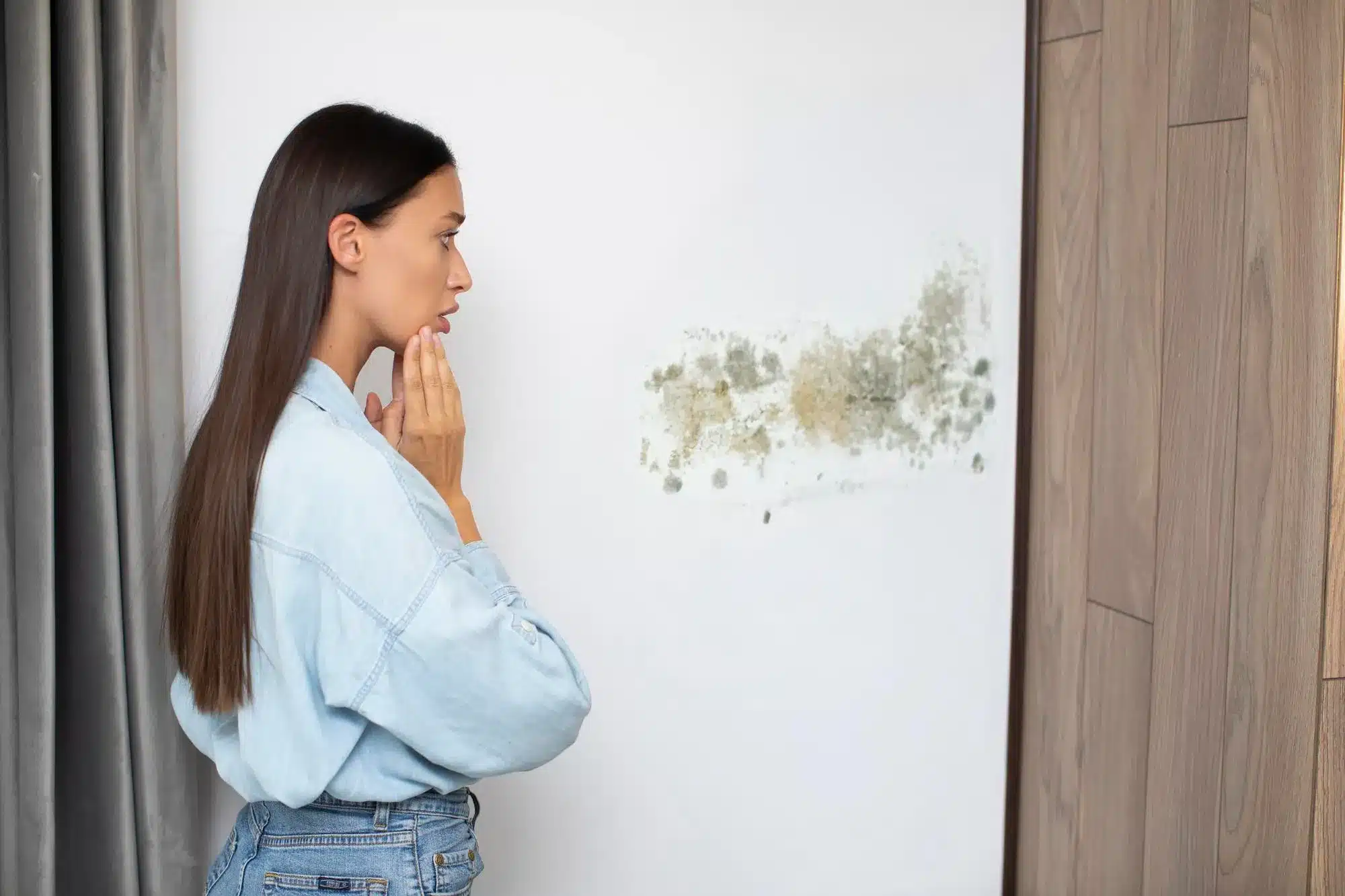
Before you notice dark spots or a musty smell, understand why mold grows during colder months and how mold testing in Knoxville can help to prevent it. Mold sampling and testing can give you firsthand information about the problem.
Why Does Winter Create the Right Conditions for Mold Growth
Cold weather does not stop mold from growing. Mold needs moisture and something organic to grow on. If conditions are suitable, mold can grow in any season. In winter, windows and doors stay closed longer. Heating systems run more often, and moisture remains trapped in the house.
At the same time, outdoor temperatures make certain surfaces inside the home much colder. When warm, moisture-filled indoor air touches a cold surface, condensation forms. Think about the water droplets that appear on a cold window. The same thing can happen around exterior walls, pipes, and other poorly insulated areas.
Why Mold Grows in Your Home During Winter
Mold always appears when there is a moisture issue. Sometimes the problem is easy to spot, such as a leaking pipe. Other times, moisture builds up slowly in least visited areas. Here are five common reasons winter mold can become a problem in East Tennessee homes:
-
Window Condensation Keeps Surfaces Damp
Water droplets collecting along the bottom of your windows are caused by condensation. When warm indoor air meets cold window glass, moisture settles on the surface. When the materials around the windows stay damp, conditions become favorable for mold.
-
Crawl Spaces Hold Moisture During Colder Months
Crawl spaces are among the least checked areas of a home. The moisture problems here can affect the rest of the house.
Wood stays damp during colder months, which supports mold growth. You may eventually notice a musty smell inside the home, particularly near floors or rooms above the crawl space.
-
Poor Bathroom Ventilation Leaves Too Much Moisture Behind
A hot shower feels great on a cold winter morning. The problem starts when all that moisture stays inside the bathroom. Shower steam settles on all cool surfaces. The longer these surfaces stay wet, the higher the risk of mold.
Over time, you may notice mold in the corners or behind bathroom fixtures. Here, an exhaust fan can help remove humid air.
-
Roof & Plumbing Leaks Go Unnoticed
Water can enter through a damaged roof or leaking pipe. A small leak can let in enough moisture to support mold growth. By the time you notice a stain on the ceiling or a musty smell in a room, the affected area may already have been wet for some time.
-
Indoor Humidity Stays Too High
Heating your home does not automatically remove moisture from the air. Daily activities like cooking and bathing add water vapor to indoor spaces. The U. S. Environmental Protection Agency (EPA) recommends keeping indoor relative humidity below 60%, ideally between 30% and 50%.
When Should You Consider Mold Testing in Knoxville
Testing for mold in winter helps you understand indoor moisture levels and prevent a bigger problem. However, there are some situations when getting a professional inspection is needed:
- You notice a persistent musty smell but cannot find its source.
- Mold keeps returning after cleaning.
- You have experienced a roof leak, plumbing leak, or water intrusion.
- You suspect mold is growing behind drywall or under flooring.
- You want to investigate a moisture problem before buying or renovating a property.
Things You Can Do to Prevent Winter Mold Growth
You need to develop a few habits to prevent mold growth in your home. Here’s what you should do:
- Use exhaust fans when cooking or showering
- Fix leaking faucets and pipes at the earliest
- Use a dehumidifier or improve indoor airflow
- Check your crawl space and attic for moisture issues
- Dry wet materials within 24-48 hours to reduce risk of mold growth
- Get a professional inspection if there has been water intrusion
Breathe Easier in Your East Tennessee Home This Winter
Winter mold in your house can ruin your cozy season. It can trigger allergies by compromising indoor air quality. Stay ahead of seasonal effects and keep moisture levels in your living space under control.
If your house stays tightly sealed in winter or you notice any signs of mold, get a professional inspection from Bentley Home Inspection. We inspect for mold, track moisture sources, and recommend you to prevent the issue in the future.